Center for Physiotherapy

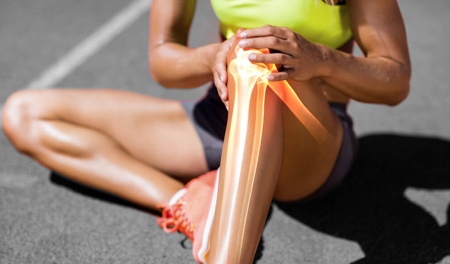
Sports and Musculoskeletal Injury

Sports and Musculoskeletal Injury

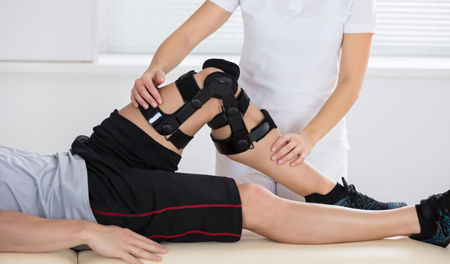
Our Sports and Musculoskeletal Injury Care focuses on precise diagnosis, advanced physiotherapy, and tailored rehabilitation to restore strength, flexibility, and performance. From acute sports injuries to chronic joint pain, our expert team ensures a safe, swift, and sustained recovery — helping you return stronger than before.

Advanced Physiotherapy & Rehabilitation

  • Sports Injury Rehabilitation – Comprehensive recovery plans for ligament tears, sprains, muscle strains, and tendon injuries.
  • Manual Therapy & Mobilization – Specialized hands-on techniques to relieve pain, restore joint mobility, and enhance muscle function.
  • Post-Operative Rehabilitation – Targeted recovery programs following orthopaedic and arthroscopic surgeries for optimal function.
  • Electrotherapy & Laser Therapy – Advanced modalities to reduce inflammation, promote healing, and relieve pain effectively.
  • Kinesio Taping & Muscle Re-education – Supportive techniques to stabilize injured areas and prevent re-injury during activity.

Symptoms & Causes

Common Symptoms:

  • Joint pain, stiffness, or restricted range of motion
  • Swelling, tenderness, or visible deformity around the injury site
  • Muscle weakness or instability during movement
  • Recurrent pain or discomfort during sports or daily activities

Common Causes:

  • Overuse injuries from repetitive motion or training errors
  • Improper warm-up or poor biomechanics during physical activity
  • Sudden impact, falls, or collision during sports
  • Weak muscles, tight ligaments, or previous untreated injuries

Prevention & Performance Care

  • Warm up properly and stretch before and after physical activity
  • Maintain good posture and use correct techniques during training
  • Gradually increase exercise intensity to avoid overuse injuries
  • Regular physiotherapy check-ups for injury prevention and performance optimization

Geriatrics & Women’s Health Physiotherapy

Geriatrics & Women’s Health Physiotherapy

Our Geriatrics & Women’s Health Physiotherapy services focus on improving mobility, strength, balance, and overall physical function across different stages of life. Through personalised physiotherapy programs, we help older adults and women manage pain, regain independence, and enhance quality of life.

Physiotherapy Services

  • Geriatric Physiotherapy – Mobility training, strength conditioning, balance exercises, and fall prevention programs for older adults.
  • Women’s Health Physiotherapy – Physiotherapy care addressing musculoskeletal and pelvic floor concerns in women.
  • Pelvic Floor Rehabilitation – Exercises and therapy for urinary incontinence, pelvic floor weakness, and postnatal recovery.
  • Postural & Core Strengthening – Programs to improve posture, core stability, and functional movement.
  • Pain Relief Physiotherapy – Management of joint pain, back pain, neck pain, and age-related stiffness.
  • Postnatal & Antenatal Physiotherapy – Safe exercise programs to support women during and after pregnancy.

Common Conditions Managed

  • Reduced mobility, muscle weakness, and joint stiffness
  • Balance problems and risk of falls
  • Chronic back, knee, hip, and shoulder pain
  • Pelvic floor dysfunction and urinary incontinence
  • Post-pregnancy musculoskeletal discomfort
  • Age-related decline in strength and endurance

Physiotherapy Approach & Care

  • Individualised physiotherapy assessment and treatment planning
  • Exercise therapy to improve strength, flexibility, and balance
  • Education on posture, body mechanics, and daily activity modification
  • Non-invasive pain relief techniques and movement therapy
  • Focus on independence, safety, and long-term functional well-being
Cardiovascular and Pulmonary Disorders

Cardiovascular & Pulmonary Disorders

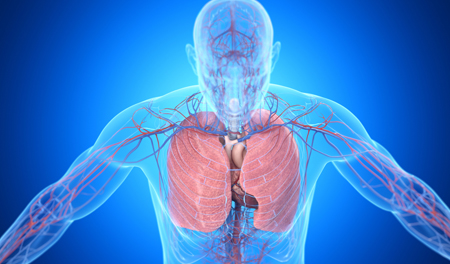
Comprehensive care for heart and lung conditions combining advanced diagnostics, evidence-based medical therapy, and multidisciplinary rehabilitation. From acute emergencies to chronic disease management, our specialists deliver personalised treatment plans to restore function, relieve symptoms, and improve long-term outcomes.

Diagnostics & Treatments

  • Advanced Cardiac Evaluation – ECG, 2D/3D Echocardiography, Stress Testing (TMT), Holter & ambulatory BP monitoring for accurate cardiac assessment.
  • Pulmonary Function & Imaging – Spirometry, DLCO, chest X-ray and CT chest for thorough lung evaluation.
  • Medical Management – Evidence-based therapy for heart failure, coronary artery disease, COPD, asthma, pulmonary hypertension and arrhythmias.
  • Interventional & Procedural Care – Percutaneous coronary interventions (PCI), bronchoscopy, pleural procedures and device therapies in coordination with cardiothoracic teams.
  • Cardio-Pulmonary Rehabilitation – Structured rehab programs including exercise prescription, breathing retraining, nutritional and psychosocial support.

Symptoms & Causes

Common Symptoms:

  • Chest pain, pressure or tightness
  • Shortness of breath, wheeze or persistent cough
  • Palpitations, dizziness or fainting spells
  • Excessive fatigue, reduced exercise tolerance or swollen ankles

Common Causes:

  • Coronary artery disease, hypertension and heart failure
  • Chronic obstructive pulmonary disease (COPD) and asthma
  • Pulmonary infections, pulmonary embolism and interstitial lung disease
  • Smoking, obesity, sedentary lifestyle and metabolic disorders

Prevention, Rehabilitation & Support

  • Adopt heart-healthy lifestyle: smoking cessation, balanced diet, weight management and regular exercise
  • Control risk factors: optimal management of diabetes, hypertension and dyslipidaemia
  • Pulmonary hygiene: vaccination, avoidance of pollutants, and early treatment of respiratory infections
  • Enroll in supervised cardio-pulmonary rehabilitation for recovery after cardiac events or chronic lung disease
  • Regular follow-up with multidisciplinary team for long-term symptom control and quality-of-life improvement
Neuromuscular Disorders

Neuromuscular Disorders

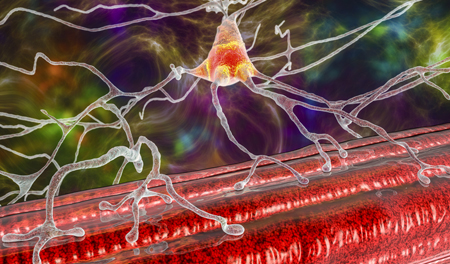
Comprehensive care for conditions affecting the muscles, nerves, and neuromuscular junctions. Our multidisciplinary team provides expert diagnosis, advanced physiotherapy, and rehabilitative support to help restore strength, movement, and quality of life through personalised treatment plans and modern therapeutic techniques.

Therapies & Management

  • Comprehensive Neurological Assessment – Detailed evaluation to identify the type and severity of nerve or muscle disorder for targeted therapy.
  • Neurophysiotherapy – Focused exercises to improve motor control, strength, and coordination in conditions like neuropathy or myopathy.
  • Electrotherapy & Stimulation – Nerve and muscle stimulation techniques to enhance function and reduce weakness or spasticity.
  • Occupational & Functional Rehabilitation – Adaptive training to restore independence in daily activities and mobility.
  • Speech & Swallow Therapy – Specialized intervention for patients with neuromuscular involvement affecting speech or swallowing.
  • Long-Term Care Programs – Continuous monitoring and customized exercises for chronic and progressive neuromuscular disorders.

Symptoms & Causes

Common Symptoms:

  • Progressive muscle weakness or fatigue
  • Numbness, tingling, or loss of sensation in limbs
  • Difficulty walking, gripping, or performing coordinated movements
  • Muscle cramps, twitching, or stiffness
  • Trouble swallowing, speaking, or breathing in severe cases

Common Causes:

  • Genetic or inherited neuromuscular conditions (e.g. muscular dystrophy)
  • Autoimmune disorders like myasthenia gravis or Guillain-Barré syndrome
  • Nerve compression or injury causing neuropathy
  • Infections, metabolic imbalances, or toxin exposure affecting muscle and nerve function

Rehabilitation & Preventive Care

  • Early detection and intervention to preserve muscle strength and mobility
  • Regular physiotherapy sessions to improve endurance and prevent contractures
  • Assistive devices and mobility aids to maintain independence
  • Balanced nutrition and lifestyle adjustments to support neuromuscular health
  • Ongoing specialist follow-up and multidisciplinary management for chronic cases
Post Surgery Rehabilitation

Post Surgery Rehabilitation

Post-surgery rehabilitation is designed to help patients regain strength, mobility, and confidence following surgical procedures. Through tailored physiotherapy, pain management, and progressive exercises, our specialists ensure faster recovery, optimal function restoration, and improved overall well-being.

Rehabilitation Services

  • Orthopaedic Rehabilitation – Recovery programs after joint replacements, spine, fracture fixation, and ligament surgeries to restore full mobility and strength.
  • Cardiac & Thoracic Rehabilitation – Guided exercise and respiratory training post heart or chest surgery for safe and steady functional recovery.
  • Neurorehabilitation – Focused therapy after brain or spine surgery to regain balance, coordination, and motor control.
  • Abdominal & Pelvic Surgery Recovery – Gentle mobility and core-strengthening exercises to improve posture and prevent post-surgical stiffness.
  • Pain Management & Electrotherapy – Advanced pain control methods like TENS, ultrasound, and cryotherapy for smooth recovery.
  • Scar & Soft Tissue Mobilization – Techniques to reduce adhesions and improve tissue flexibility post-surgery.

Common Challenges After Surgery

Typical Symptoms:

  • Pain, swelling, and stiffness in the operated area
  • Reduced strength, flexibility, or range of motion
  • Difficulty walking, climbing stairs, or performing routine tasks
  • Fatigue, loss of endurance, or delayed wound healing

Underlying Causes:

  • Postoperative immobilization leading to muscle weakness
  • Pain and inflammation restricting mobility and daily activity
  • Poor posture or fear of movement slowing functional recovery
  • Inadequate physiotherapy follow-up after discharge

Recovery & Prevention of Complications

  • Start early physiotherapy under expert supervision to prevent stiffness and contractures
  • Perform guided breathing and mobility exercises to enhance blood flow and oxygenation
  • Follow pain management and posture correction techniques for comfort and safety
  • Adopt a nutritious diet rich in protein, calcium, and vitamins to promote healing
  • Regular follow-up with rehabilitation specialists to track progress and prevent recurrence
Online Consultation